



Best Window Treatments for South Jersey Homes This Winter — What Works and What Doesn't
Published on: 7/20/2026
8 mins read
Best Window Treatments for South Jersey Homes This Winter — What Works and What Doesn't
The best window treatments for a South Jersey winter are
I've
Why South Jersey Winters Are Harder on Windows Than People Think
South Jersey doesn't get brutal winters by Midwest standards, but it gets damp cold — coastal moisture that finds every gap around a window frame, plus the older housing stock across the region that was never built with today's energy costs in mind. Two things happen at once. First, drafts: cold air slips in around frames and sashes, especially on original single-pane windows common in the older shore towns and inland farmhouses. Second, radiant heat loss: even with zero draft, glass itself is a lousy insulator, so heat inside the room radiates straight through it to the cold glass and out. A window treatment has to fight both problems, not just one — which is exactly where a lot of products fall short.
There's a third factor that's easy to miss: daylight. South Jersey loses a lot of daylight hours between November and February, so homeowners are stuck choosing between blocking the cold and keeping the little natural light they've got. That trade-off is where the product choice actually matters.
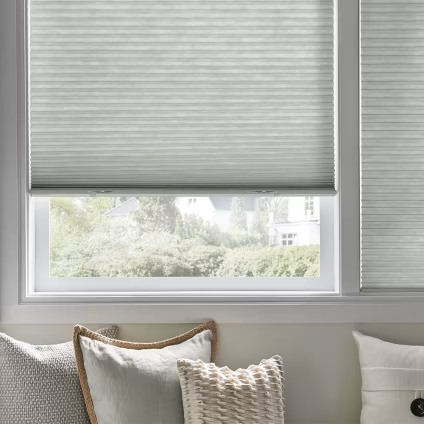
Honeycomb Shades vs. Plantation Shutters vs. Drapes — What Actually Insulates
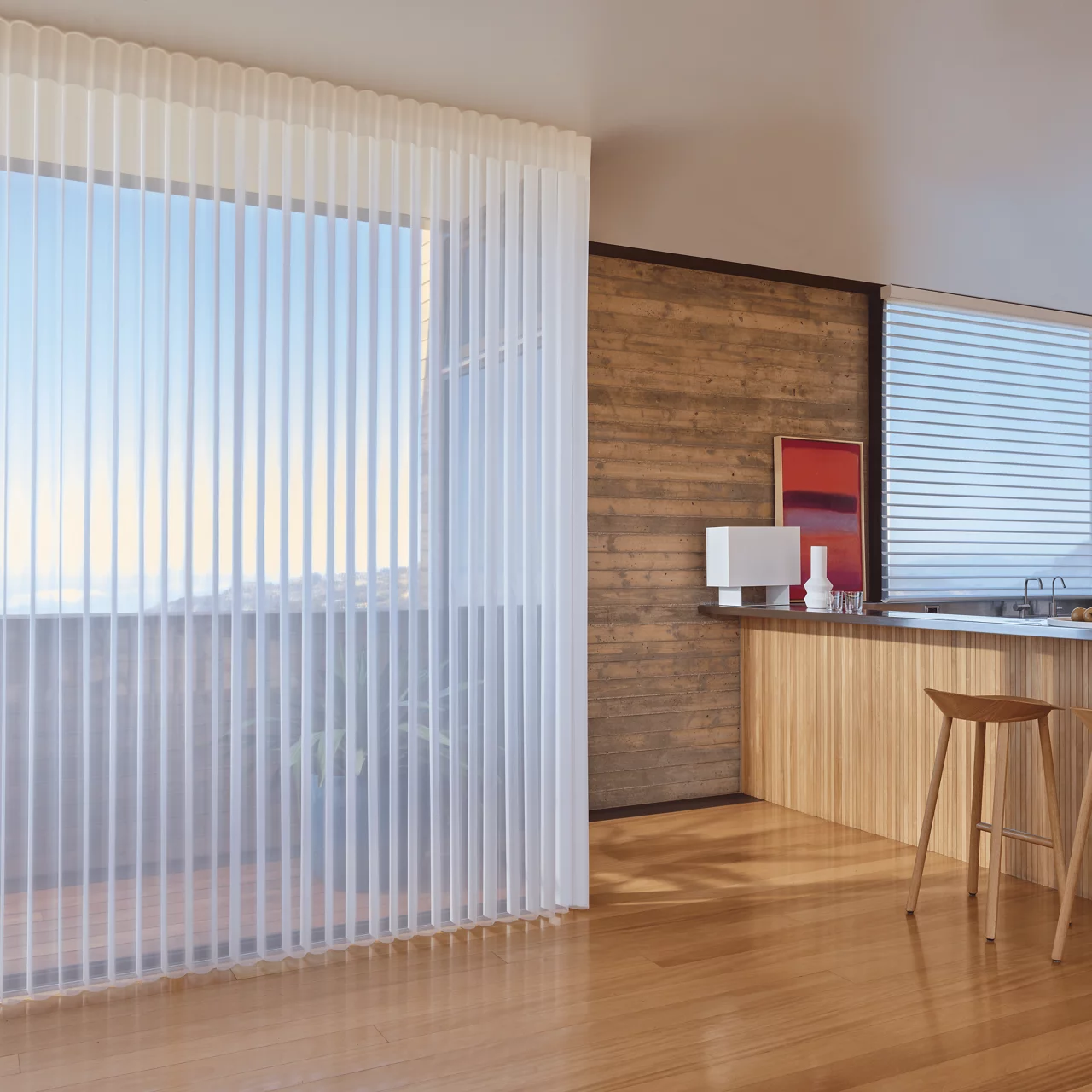
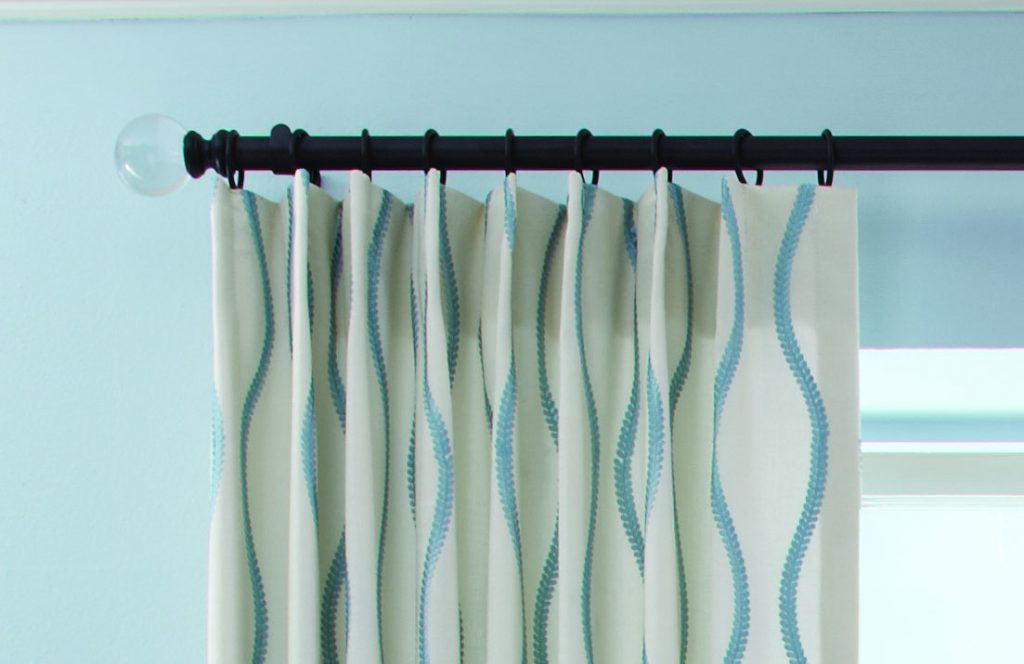
Drapes are the product homeowners assume will be warmest, and the ones that most often disappoint. A heavy, lined, floor-length drape can perform reasonably well — but only if it's actually closed, fully, every night, with no gap at the sides or top. In practice, most drapes I see installed are decorative-width, don't reach the floor, and get left open more nights than not. The product isn't the problem. The habit is. That's exactly why motorized and cellular options tend to outperform drapes in real homes, not just in a lab.
NJ Energy Programs and Incentives Worth Checking
I'll give you the honest version here instead of the sales-brochure version:
Privacy Without Sacrificing Winter's Limited Daylight
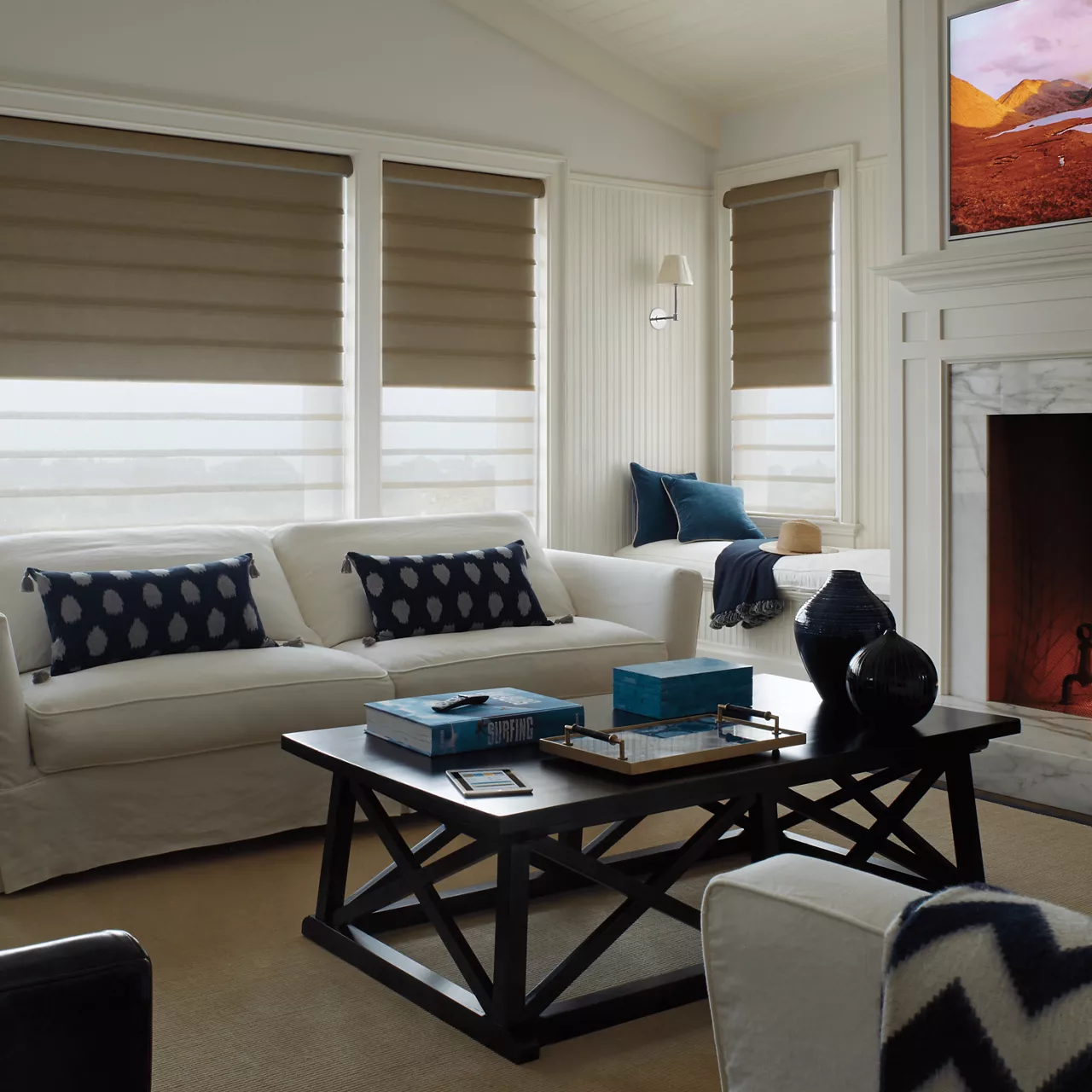
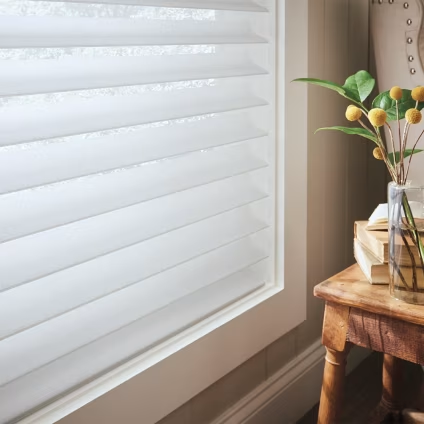
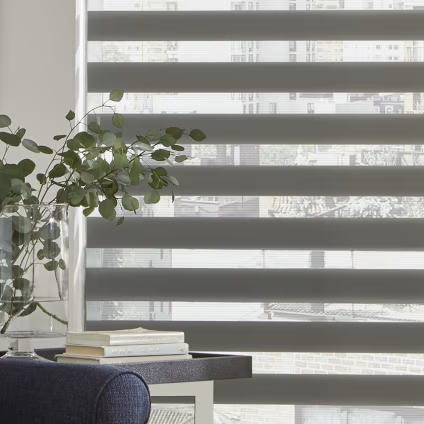
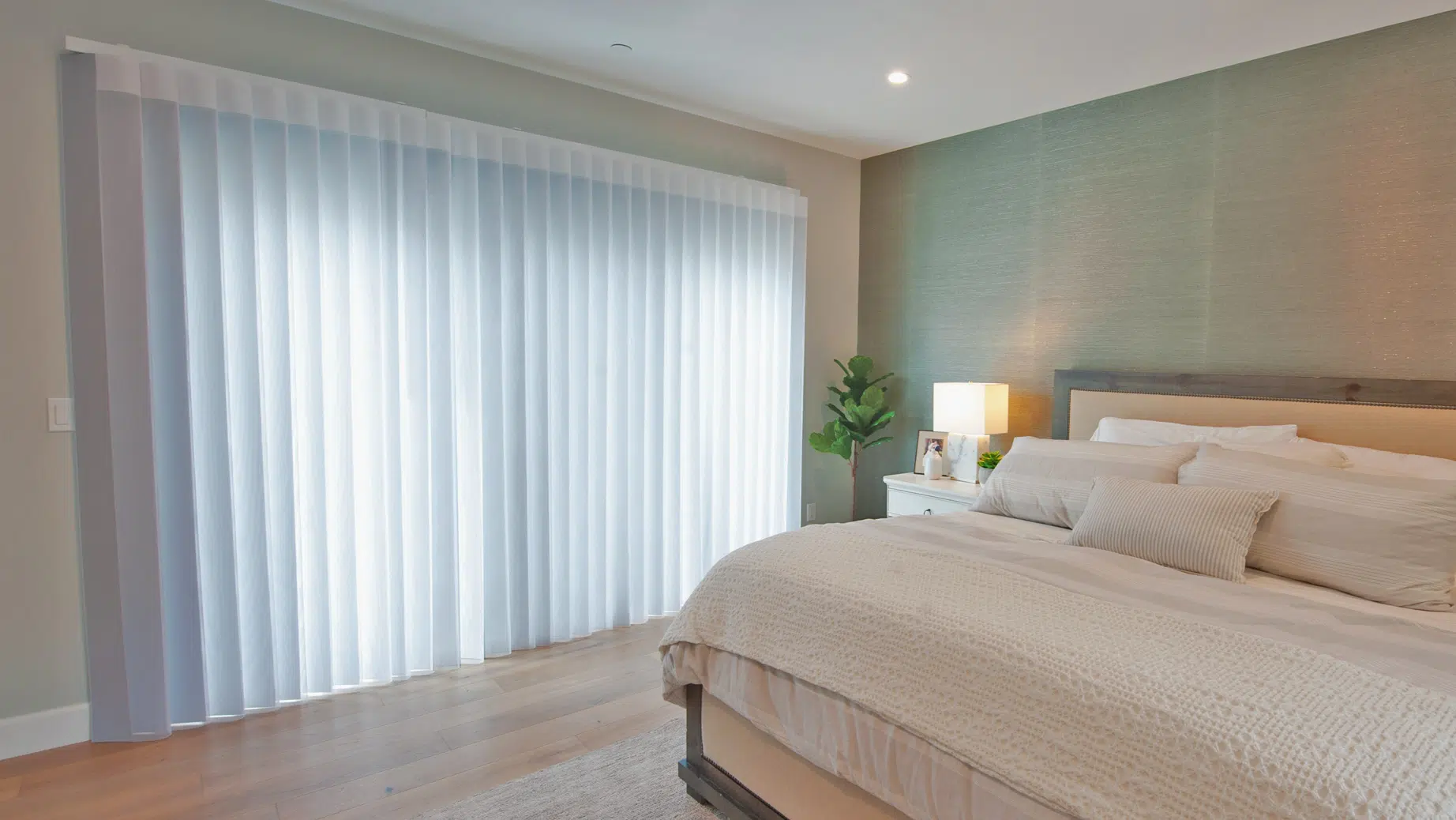
This is the trade-off I hear about most from November through February. Nobody wants to sit in a fully lit room from the street at 5 p.m., but nobody wants to lose what little daylight they've got either. Top-down/bottom-up shades solve this directly — you drop the top of the shade for privacy while keeping the bottom open to let light in low, or vice versa. Sheer and light-filtering fabrics on
Why Motorized Blinds and Shades Make More Sense in Winter Than Summer
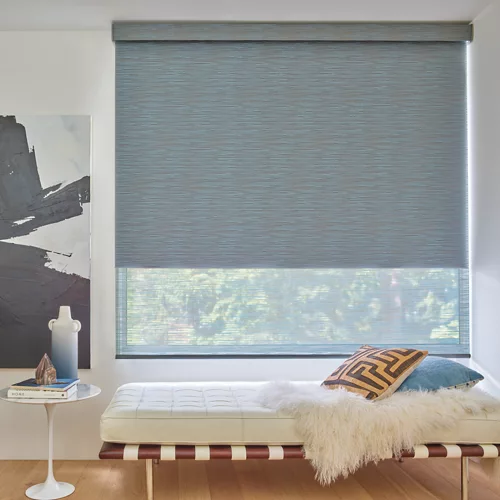
Motorization earns its cost back faster in winter than in summer, and here's the mechanism: a scheduled close at dusk traps the day's accumulated heat in the room before the temperature drops outside, and a scheduled open at sunrise lets whatever sun is available back in immediately, without you walking a cold house room to room at 6 a.m. doing it by hand. Most people skip that daily routine — I would too — which is exactly why the shades stay open all night losing heat in homes that don't have motorization. Add smart home scheduling and the shades do the discipline you wouldn't.
Room-by-Room Recommendations
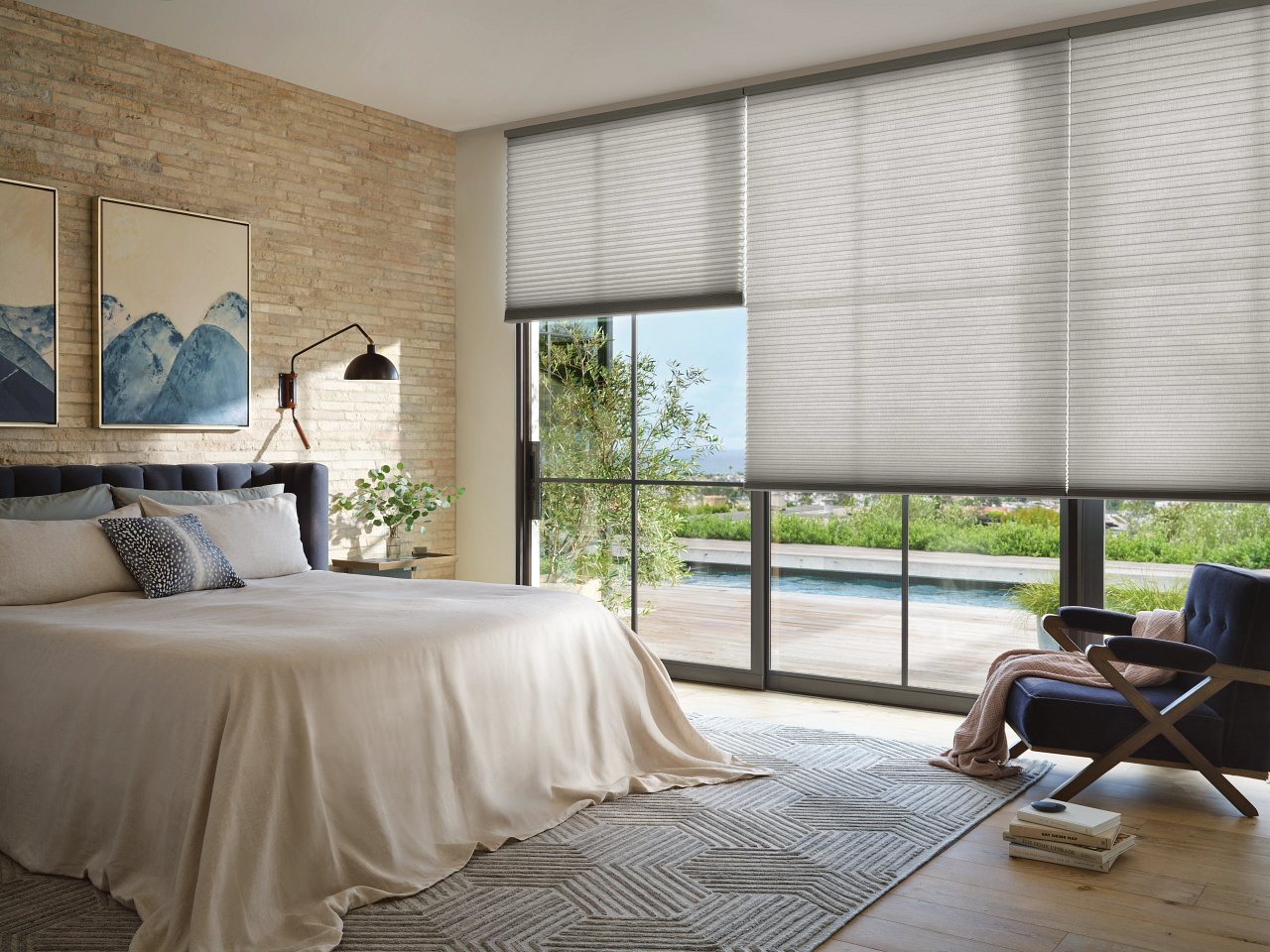
Bedroom:
Living room:
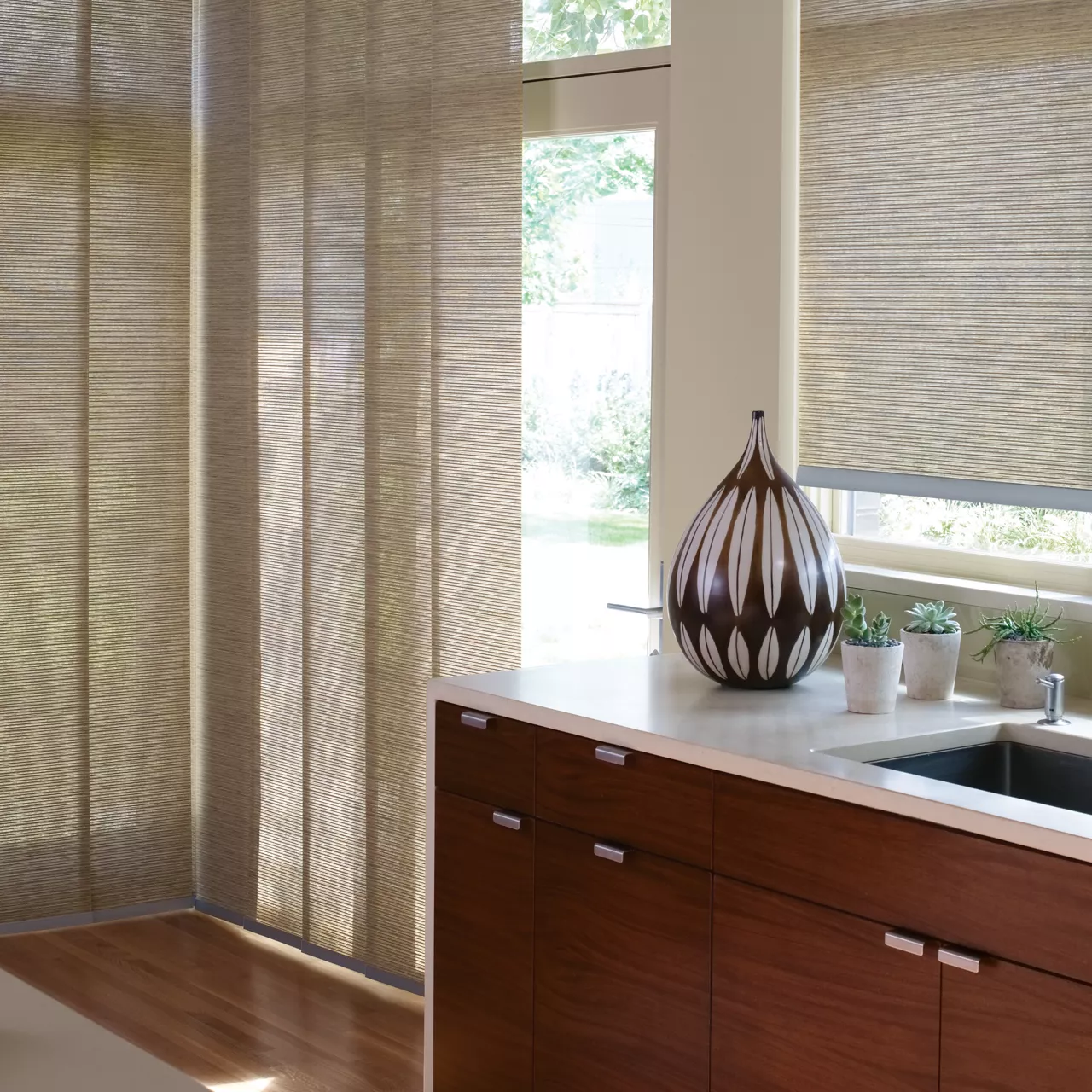
Kitchen: faux wood plantation shutters or moisture-resistant faux wood blinds. Kitchens deal with humidity and grease that real wood and fabric don't hold up to over time, and the cleanable surface matters more here than anywhere else in the house.
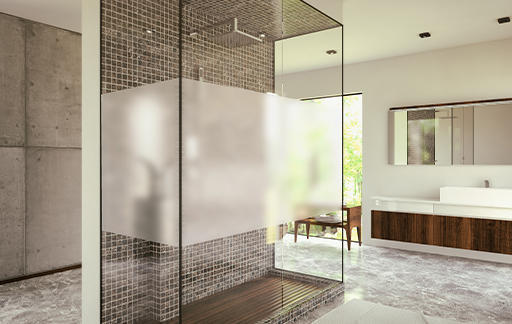
Bathroom: same faux wood logic as the kitchen, with privacy weighted higher — a light-filtering or frosted option on shutters or shades keeps the room private without going fully dark during short winter days.
Frequently Asked Questions
What window treatments keep heat in best during New Jersey winters?

Do honeycomb shades really save energy in South Jersey homes?
Are there NJ state tax incentives for energy-efficient window treatments?
What window treatments give privacy without blocking winter light in South Jersey?
Do motorized blinds and shades perform well in cold weather?
What is the warmest window covering for a bedroom in a South Jersey home?
Can new window treatments be installed during winter months in South Jersey?