



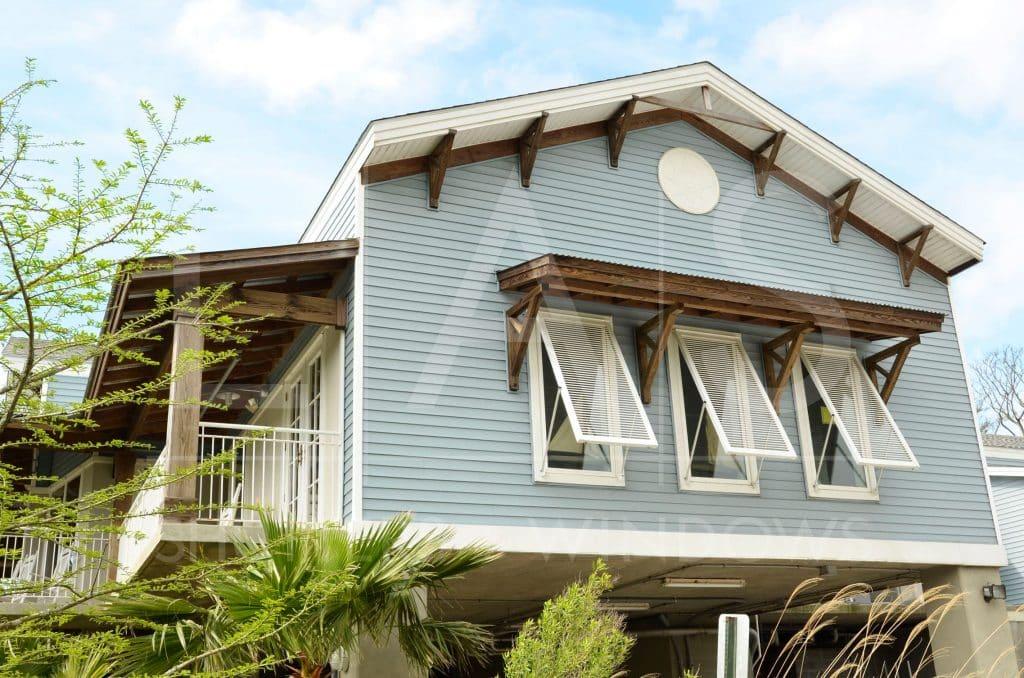
How to Choose the Right Bahama Shutters for Your South Jersey Shore Home
Published on: 7/24/2026
7 mins read
If you're shopping for
Start With the Material — Salt Air Doesn't Negotiate
Not all
What I tell homeowners: ask specifically what the hinges, struts, and fasteners are made of, not just the panel. A beautiful aluminum shutter mounted with standard steel hardware will rust at every connection point within a year or two on a barrier island. The panel material and the hardware material both need to be coastal-rated, or you haven't actually bought a coastal product.
Getting the Size Right — Proportion Matters More Than People Think
This is where measuring off a generic size chart gets people in trouble. Shore homes have a wider mix of window shapes than inland properties — bump-outs, transom windows, oversized picture windows facing the water — and a stock size rarely fits cleanly. I measure every window individually before I quote a shore job, because a shutter that's a half-inch off in either direction is the difference between something that looks custom and something that looks like it was ordered off a shelf.
Choosing a Color That Matches Your Shore Home's Architecture
My advice: pull the color from your trim or your front door before you pull it from a catalog photo. A shutter color that clashes with the rest of the exterior is the single most common regret I hear from homeowners a year after installation — not the shutter itself, just the color choice.
Durability: What Coastal Weather Actually Does to Cheap Shutters
Three things wreck a poorly-built exterior product at the shore, in this order: salt air corrosion, UV fading, and humidity-driven warping or swelling. A properly finished aluminum or composite shutter is engineered to resist all three, but the finish quality varies a lot between manufacturers. Ask about the coating process — powder-coated finishes hold up significantly longer against salt air than standard painted finishes, and it's not something you can tell just by looking at a new shutter in a showroom.
The honest answer on lifespan: a properly specified and installed
How Bahama Shutters Combine With Other Exterior Products
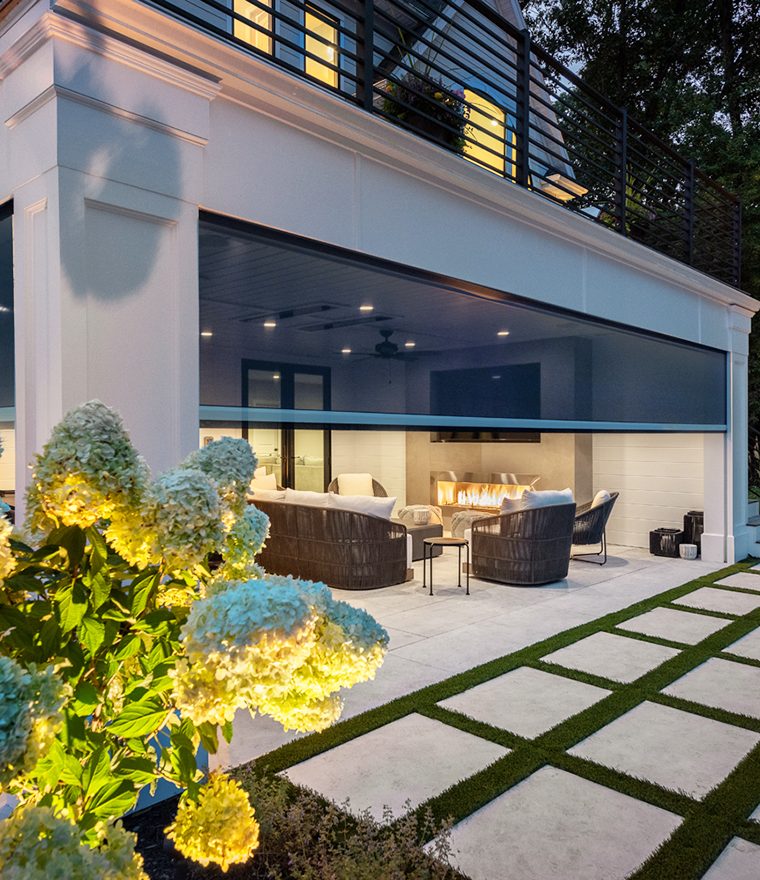
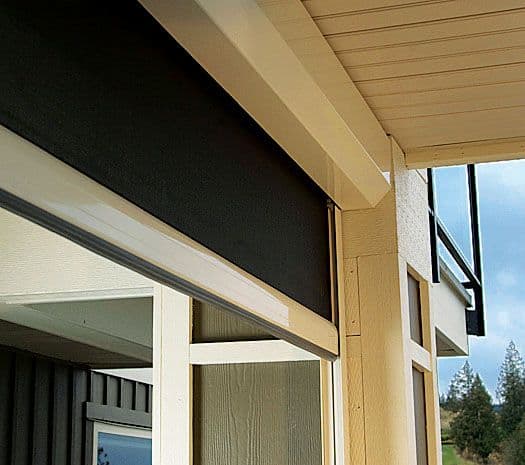
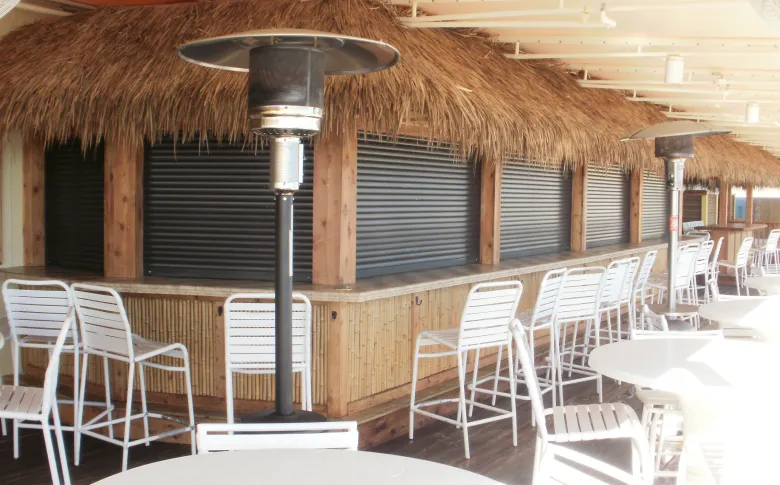
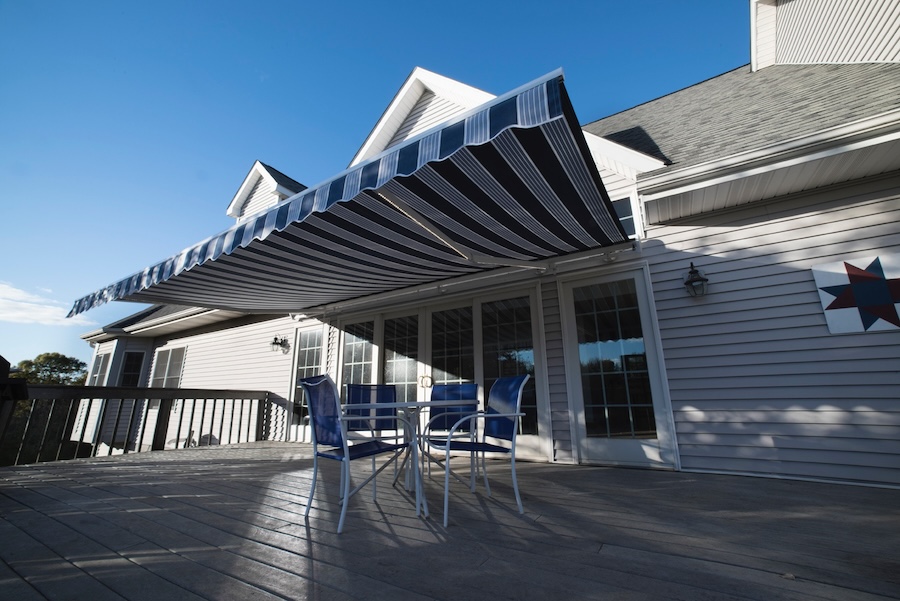
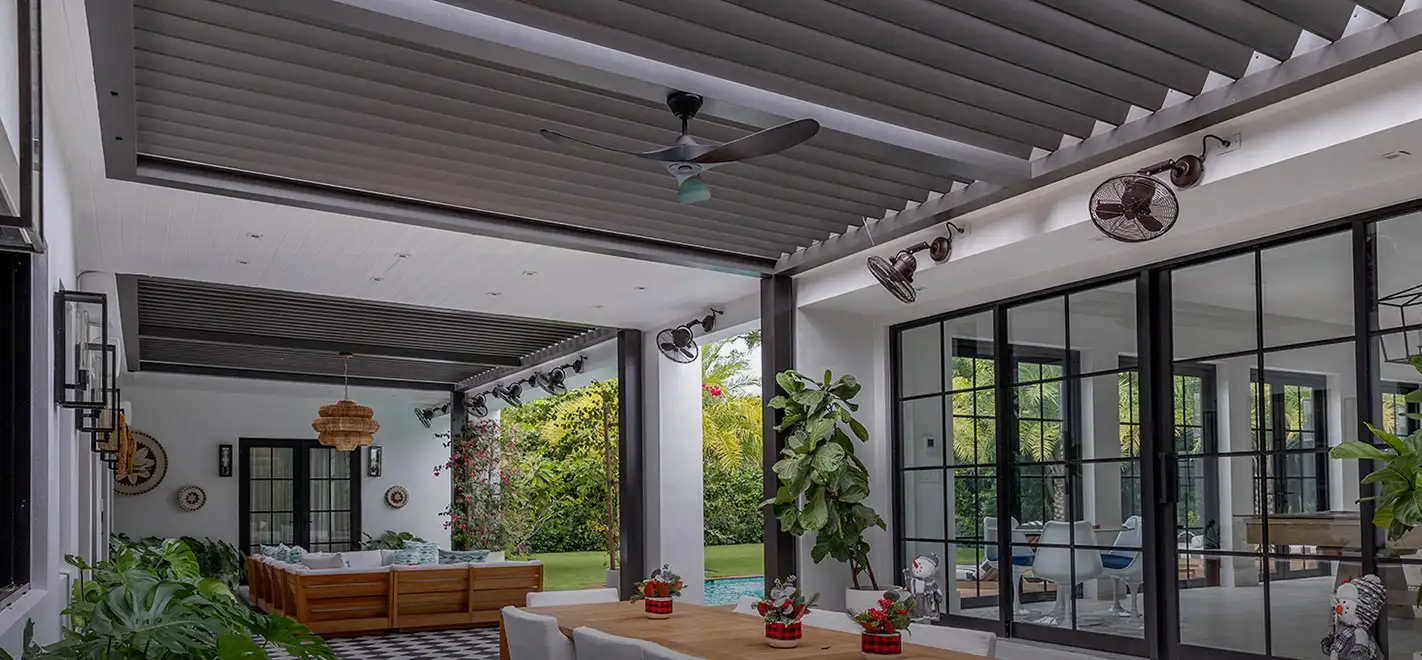
Bahama shutters do their best work as part of a full exterior plan rather than a standalone purchase. Homeowners frequently pair them with retractable awnings on the back of the house facing the water, and motorized screens on porches and lanais where bugs and wind are the bigger issue than sun. The shutters handle the windows, the awning handles the patio, and the screens handle the open-air living space — each product doing the job it's actually built for instead of asking one product to do all three.
If you're planning a full exterior refresh rather than a single window fix, it's worth thinking about the whole house at once. Color and material choices should be consistent across shutters, awnings, and screens, or the house ends up looking like it was outfitted in three different decisions instead of one plan.
Installation: What's Different About a Shore Home
Shore home installation isn't the same job as an inland install, and this is where a lot of corner-cutting happens. Barrier island and bayfront properties see higher sustained wind loads than inland South Jersey, and the mounting hardware needs to reflect that — deeper anchoring into the framing, not just the siding, and hinge hardware rated for the wind exposure of your specific location, not a generic spec sheet.
Siding type matters too. Vinyl, cedar shake, and stucco each need a different mounting approach to avoid cracking the siding or creating a water entry point behind it. A shore home installer should be able to tell you, before the crew shows up, exactly how they're mounting to your specific siding — if they can't answer that question, that's worth pausing on before you sign.
Bottom line: the right
Frequently Asked Questions
What are the best Bahama shutters for a South Jersey shore home?

Do Bahama shutters hold up in salt air and coastal weather conditions?
What size Bahama shutters do I need for my windows?
Can Bahama shutters be painted or customized to match my shore home?
How do Bahama shutters attach to the exterior of a house?
Do Bahama shutters provide any hurricane or storm protection?
How much do Bahama shutters cost for a shore home in South Jersey?
Thinking about Bahama shutters for your shore home?