



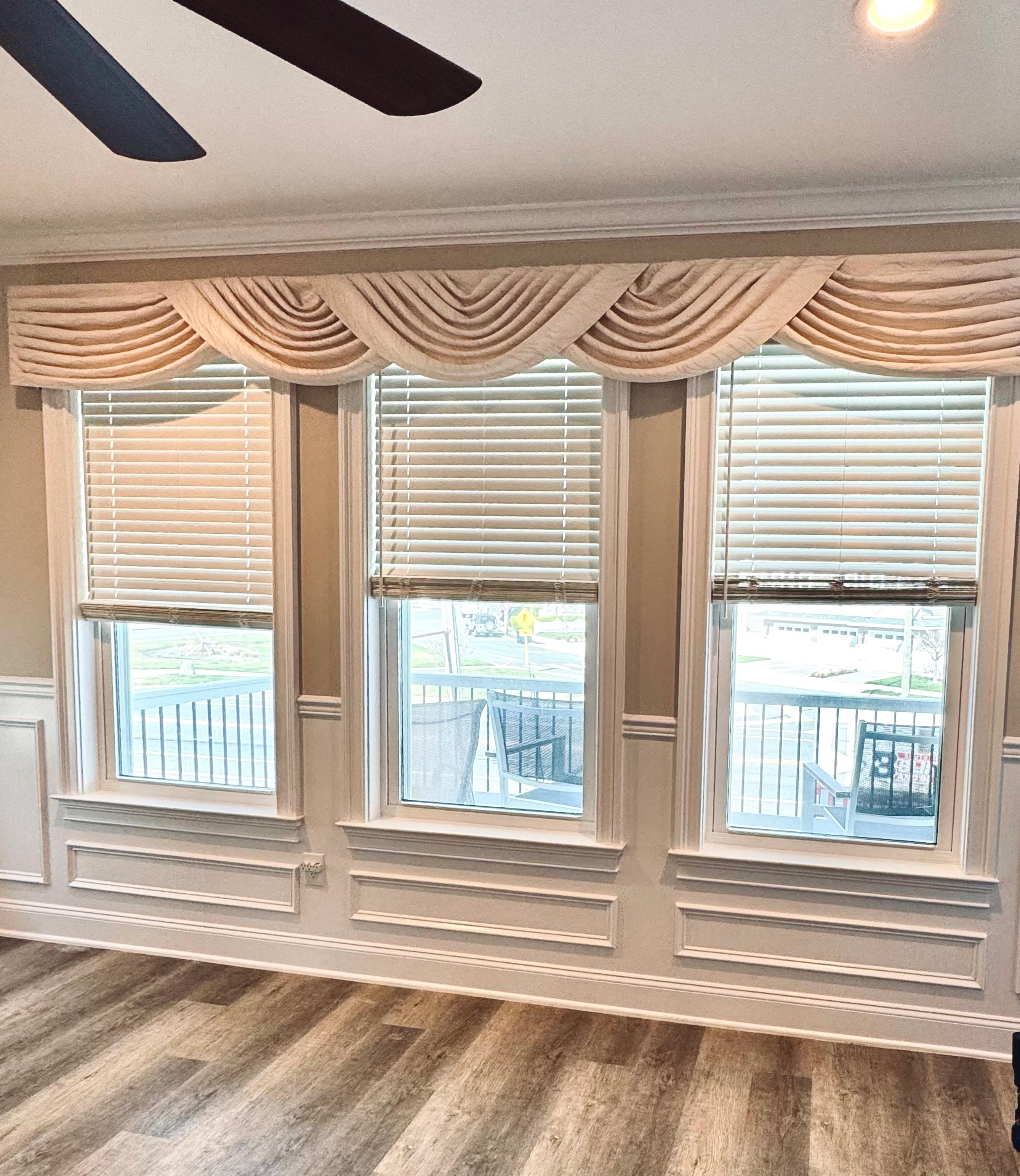
Plantation Shutters vs. Blinds vs. Shades: What South Jersey Homeowners Actually Choose
Published on: 7/21/2026
8 mins read
Plantation shutters, blinds, and shades all do the same basic job — they cover a window. That's about where the similarities end. If you want the short answer: plantation shutters are the best long-term investment for durability and light control, blinds are the most affordable and flexible for tight budgets or rental properties, and shades win on softness, energy efficiency, and modern style. Which one is "right" depends on the room, your budget, and how long you plan to own the house. I've installed all three in thousands of
What Each One Actually Is
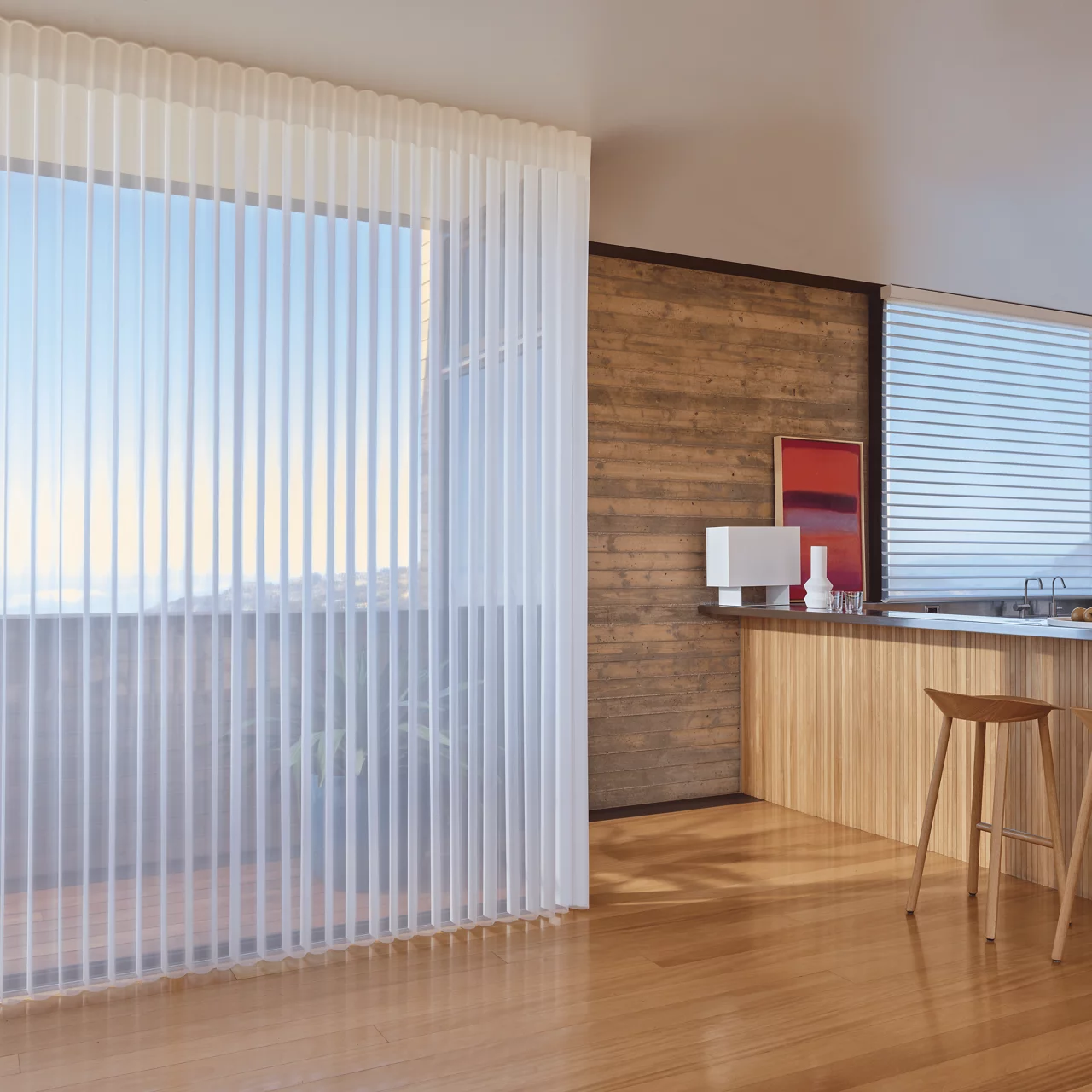
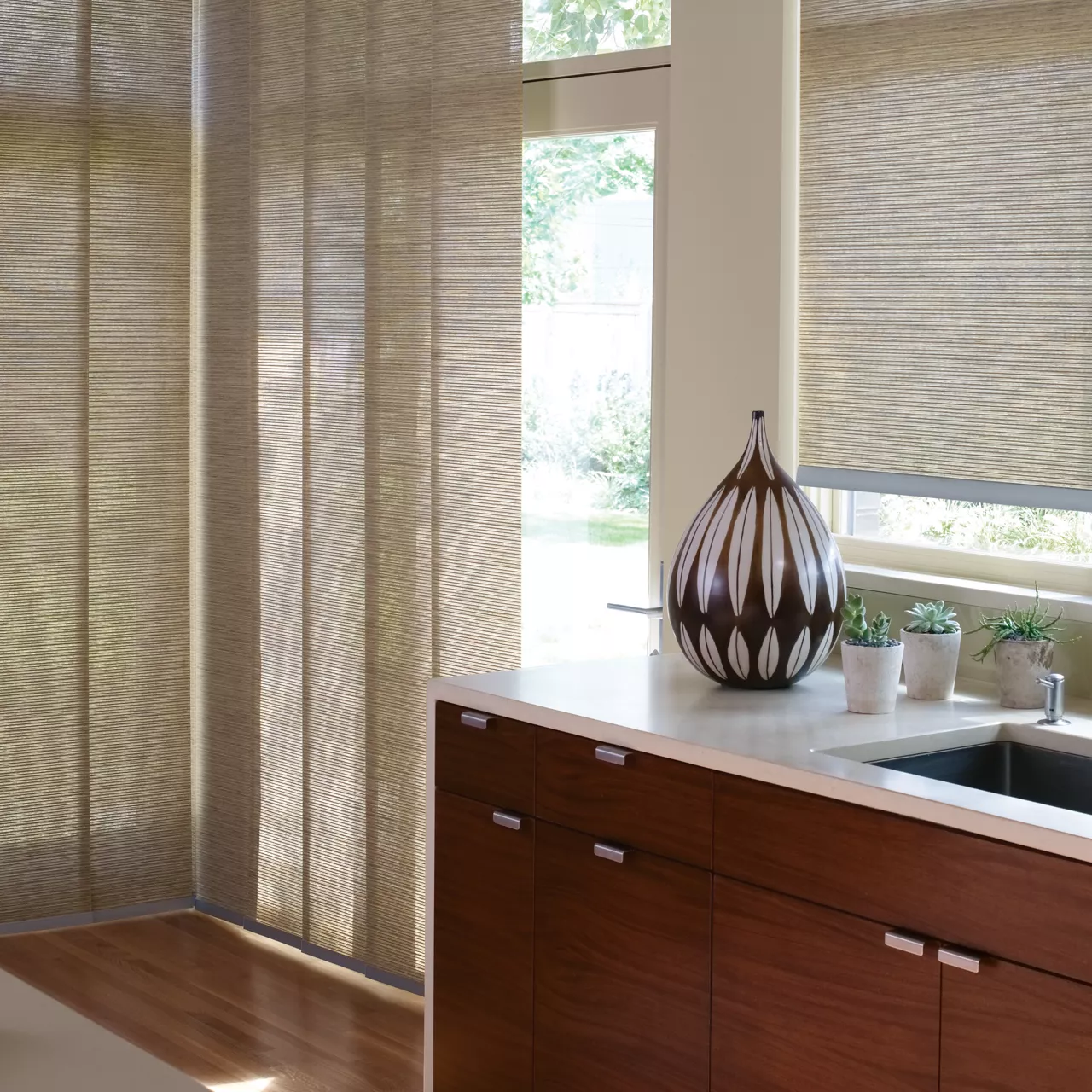
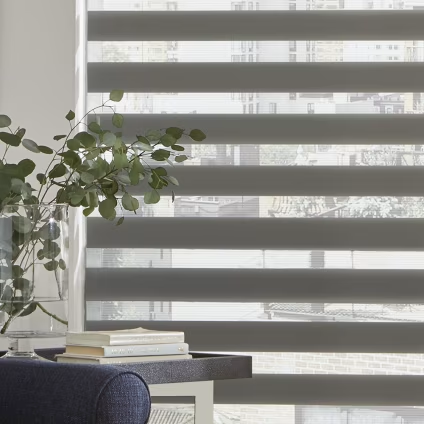
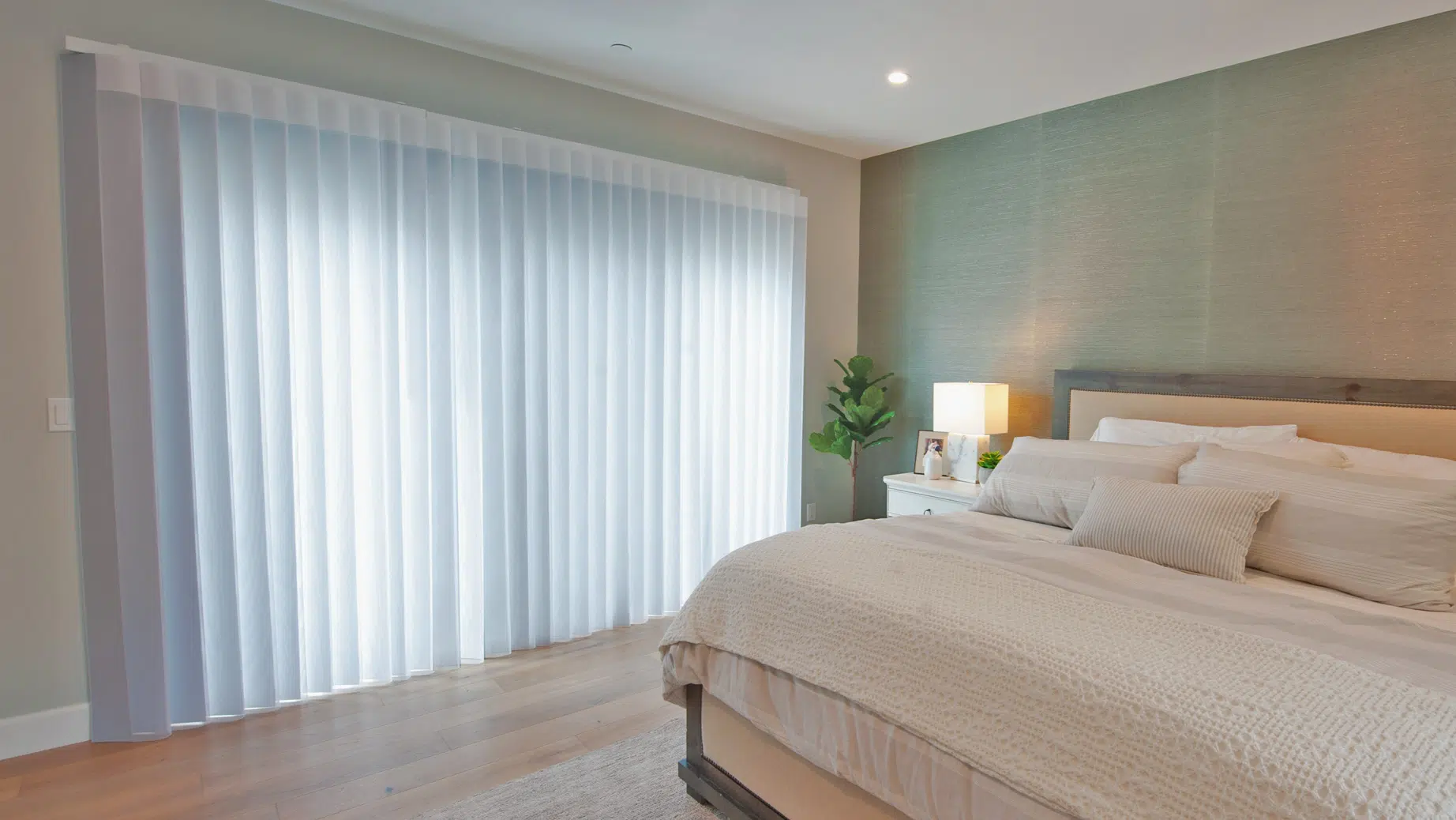
The confusion usually starts because all three "control light," but the mechanics — and what those mechanics mean for your house — are completely different.
Room by Room: What Actually Works Where
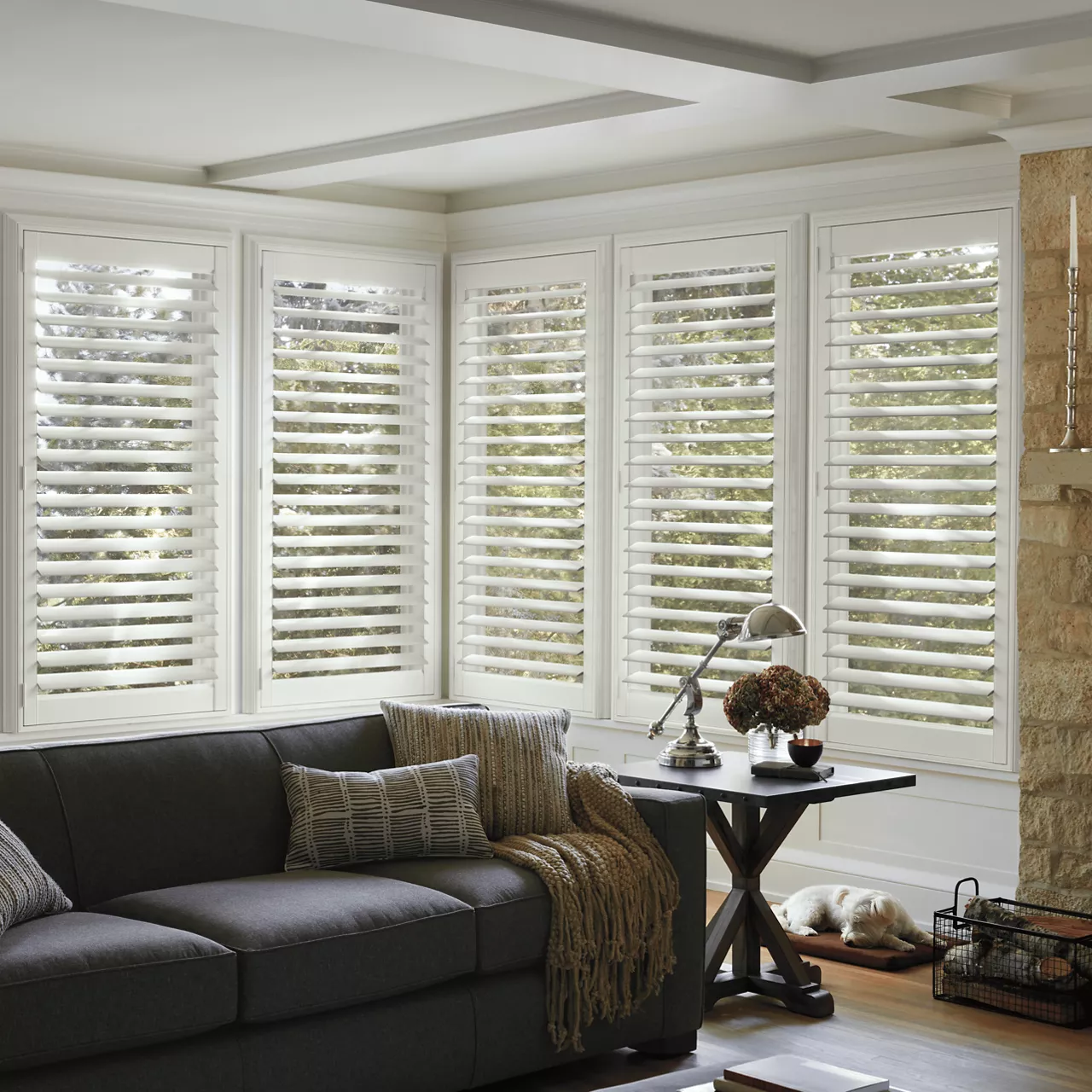
A living room facing the street usually calls for
Bedrooms depend on the person. If you want a total blackout for sleep, a
Kitchens take a beating — steam, grease, splashes near the sink.
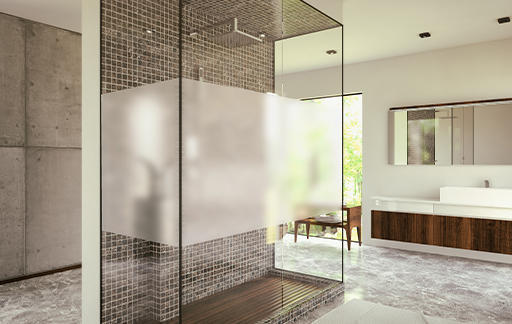
Bathrooms are the one room where material matters more than style. Composite plantation shutters or vinyl/faux-wood blinds handle humidity without warping. Real wood and most fabric shades don't belong within a few feet of a shower.
What They Actually Cost — and Why
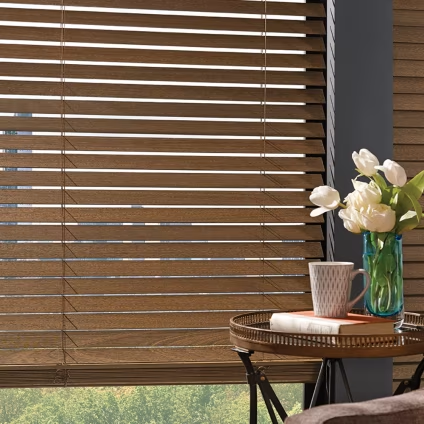
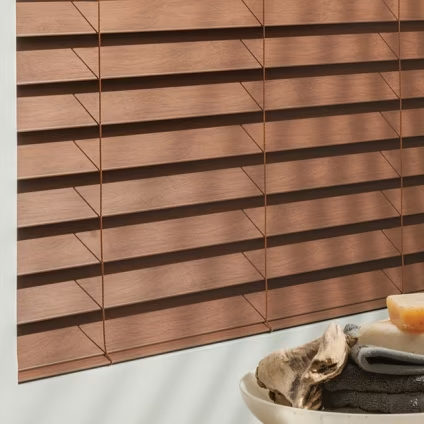
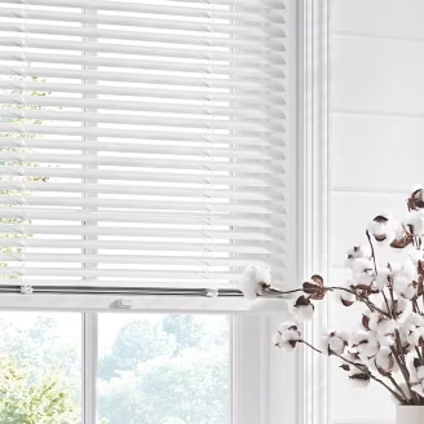
Blinds are the entry point. Aluminum and vinyl blinds typically run the least per window, faux wood a step up, and real wood higher still. They're the right call when you're covering a lot of windows on a defined budget, furnishing a rental, or not planning to stay in the house long-term.
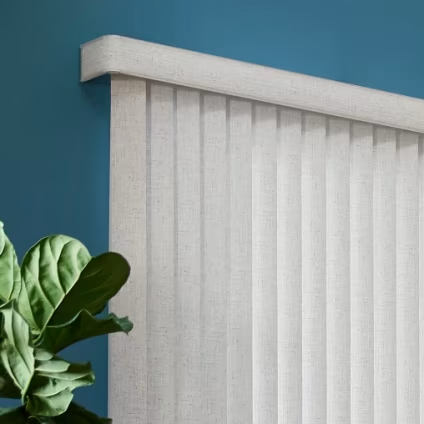
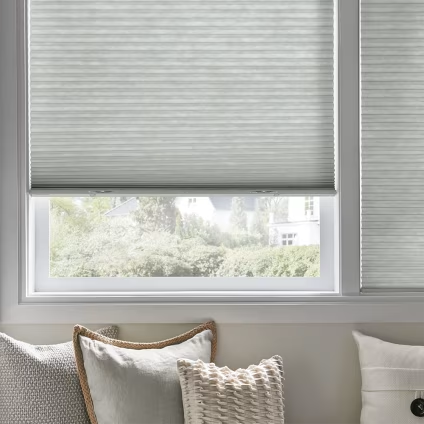
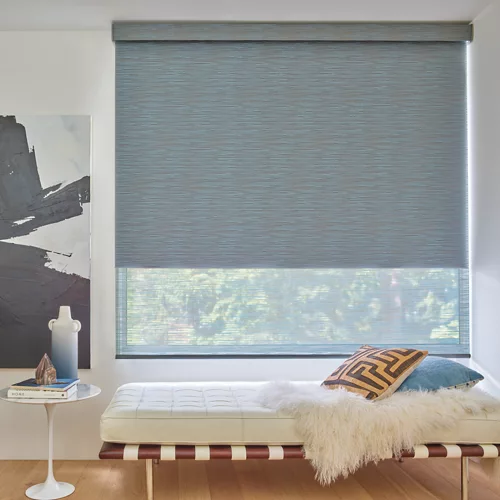
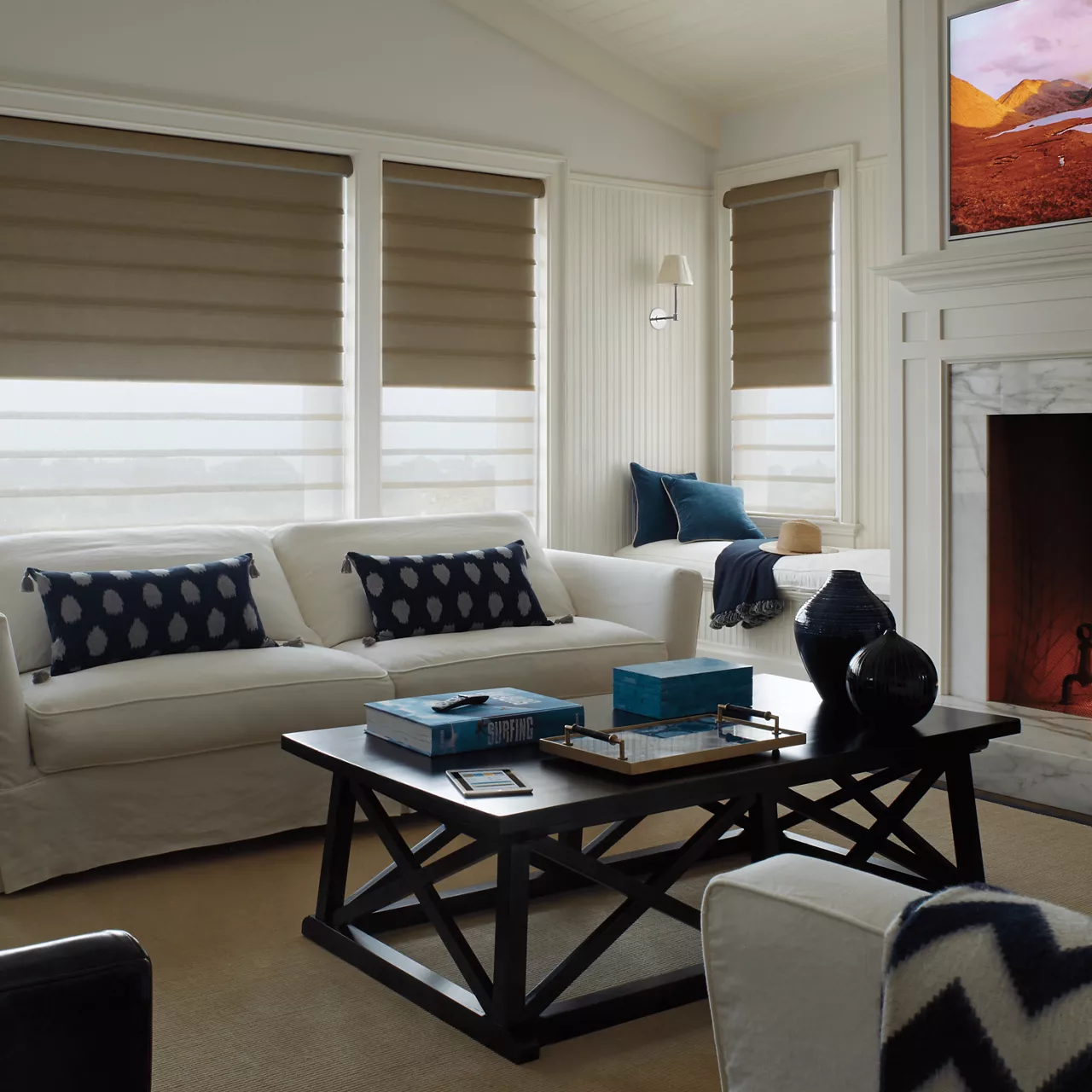
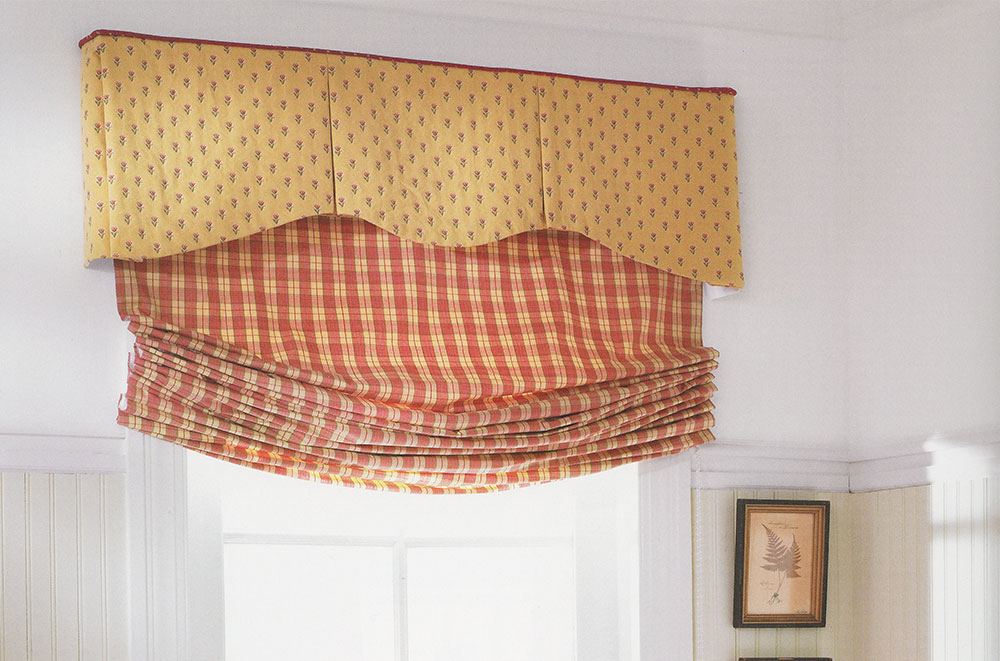
Shades sit in the middle of the range for most South Jersey homeowners, with price driven mainly by fabric quality, cellular construction (single vs. double cell), and whether you add motorization.
Plantation shutters cost the most up front — they're a permanent, built-to-the-window product, not something you swap out in five years. Homeowners who push back on the price are usually comparing it to a $40 blind at a box store, not to the cost of replacing blinds three times over the life of one set of shutters. I tell people straight: shutters are the only one of the three I'd call a home improvement instead of a home accessory. Real estate agents will back me up on that.
How They Hold Up in South Jersey Conditions
This is where being
Aluminum and faux wood blinds tolerate humidity fine, but the cords and mechanisms wear faster in salt air than they do fifteen miles inland — I replace more blind hardware at the shore than anywhere else in our nine-county service area.
Fabric shades are the most climate-sensitive of the three. Direct south- and west-facing sun exposure, common on a lot of South Jersey properties without much tree cover, will fade fabric shades faster than it fades composite shutters or aluminum blinds. If you've got a west-facing wall of windows, I steer people toward a fade-resistant fabric or toward shutters instead.
Light Control and Privacy: The Real Differences
Shades are all-or-nothing by comparison, unless you step up to a top-down/bottom-up configuration, which lets you drop the top of the shade for privacy while keeping the bottom open for light — a genuinely useful upgrade a lot of South Jersey homeowners don't know exists until we bring it up.
Cleaning and Maintenance — 35 Years of Real Answers
Plantation shutters are the easiest to maintain long-term — wipe the louvers with a dry cloth or a duster, done. No cords to tangle, no fabric to stain.
Shades are simple to keep clean if you vacuum them gently with a brush attachment, but a hard stain on fabric is permanent in a way a wipe-down louver never is. That's the tradeoff for the softer look.
So Which One Should You Choose?
If I'm being straight with you the way I'd be straight with a neighbor: shutters for the rooms you want to get right once and never touch again — living rooms, front-facing windows, anywhere resale value matters. Blinds for budget-driven rooms, rentals, and kitchens. Shades for bedrooms, energy efficiency, and anywhere you want a softer look than hard louvers.
Most of the
Frequently Asked Questions
What is the difference between plantation shutters, blinds, and shades?

Are plantation shutters worth the higher cost compared to blinds in South Jersey?
Which window treatment is easiest to clean and maintain in a South Jersey home?
Do plantation shutters hold up well in coastal NJ humidity and salt air?
What window treatment works best for a bathroom or high-moisture room in South Jersey?
Which gives better light control — shutters, blinds, or shades?
How long do plantation shutters last compared to blinds in a South Jersey home?