




Retractable Awnings vs. Pergolas: Which is Right for Your Backyard?
Published on: 6/15/2026
8 mins read
When designing the perfect backyard, shade and comfort are two of the most important considerations. Homeowners often find themselves choosing between retractable awnings and pergolas, both of which offer attractive ways to enhance outdoor living spaces. While they serve similar purposes, they differ significantly in structure, flexibility, cost, and overall aesthetic. Understanding the strengths and limitations of each option can help you decide which solution best fits your lifestyle, design preferences, and how you plan to use your backyard.
Understanding Retractable Awnings
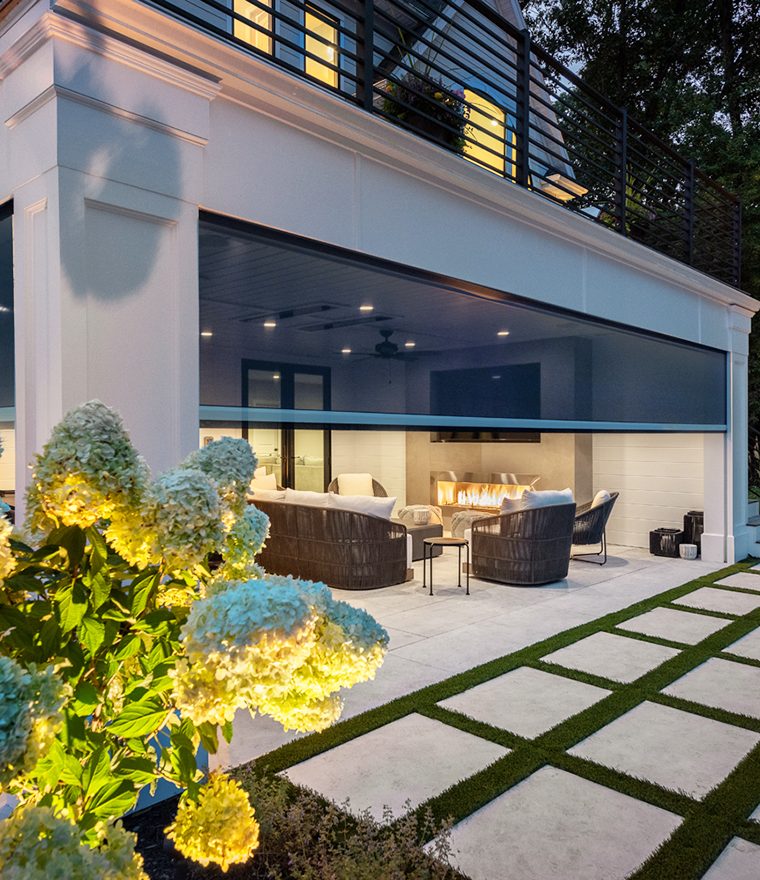
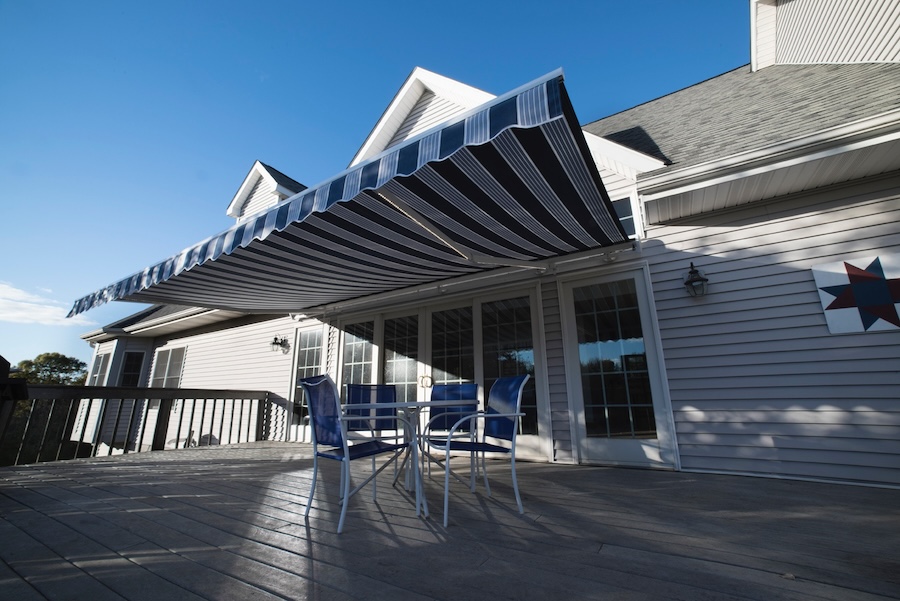
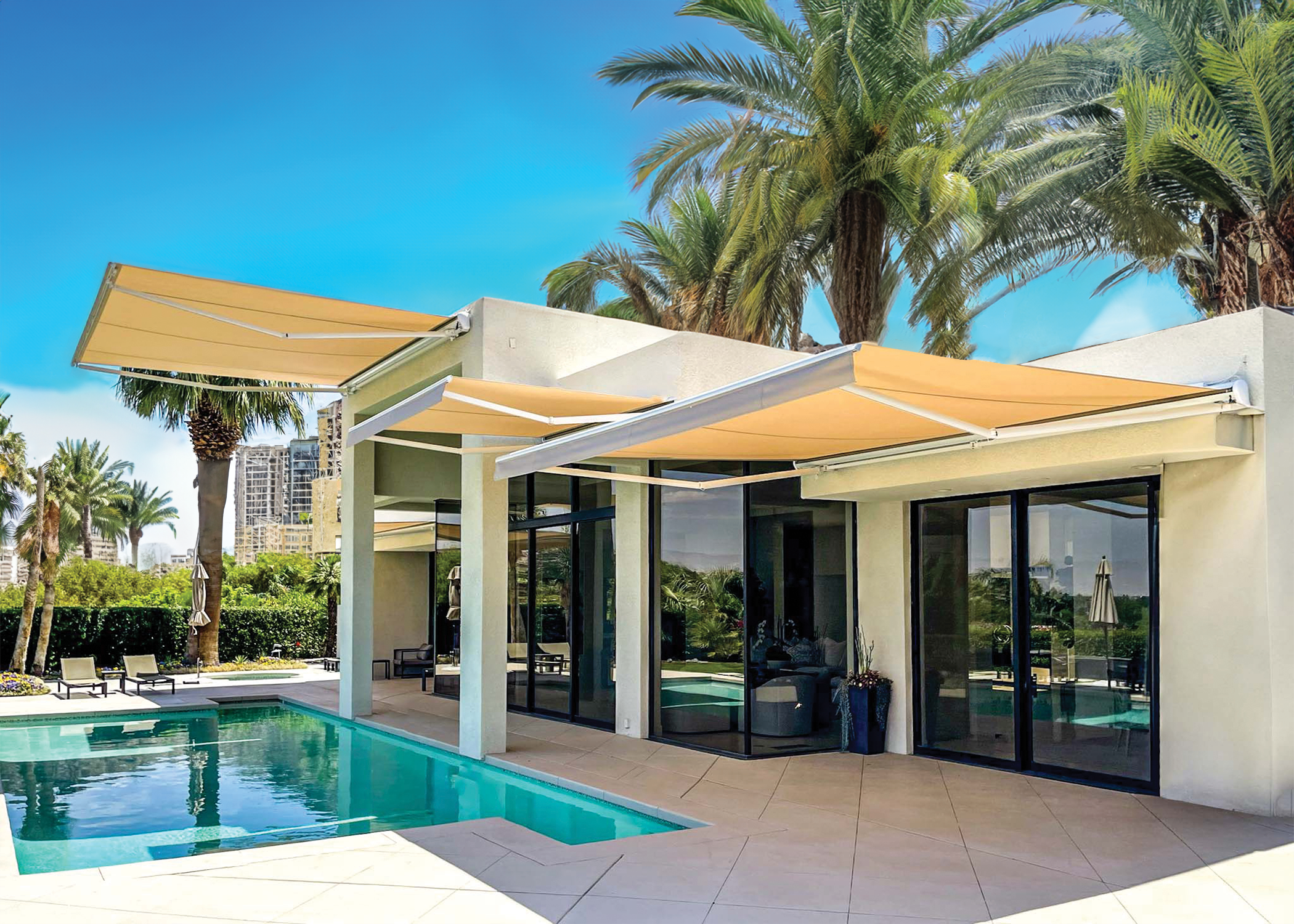
Retractable awnings are fabric-covered structures that extend from the exterior of a home to provide shade when needed and retract when not in use. They are typically mounted above patios, decks, or windows and can be operated manually or with motorized systems. One of their biggest advantages is flexibility. Homeowners can enjoy full sun exposure when the awning is retracted and instant shade when it is extended. This adaptability makes retractable awnings ideal for spaces that serve multiple purposes throughout the day. They are also relatively quick to install and do not require major construction.
Understanding Pergolas
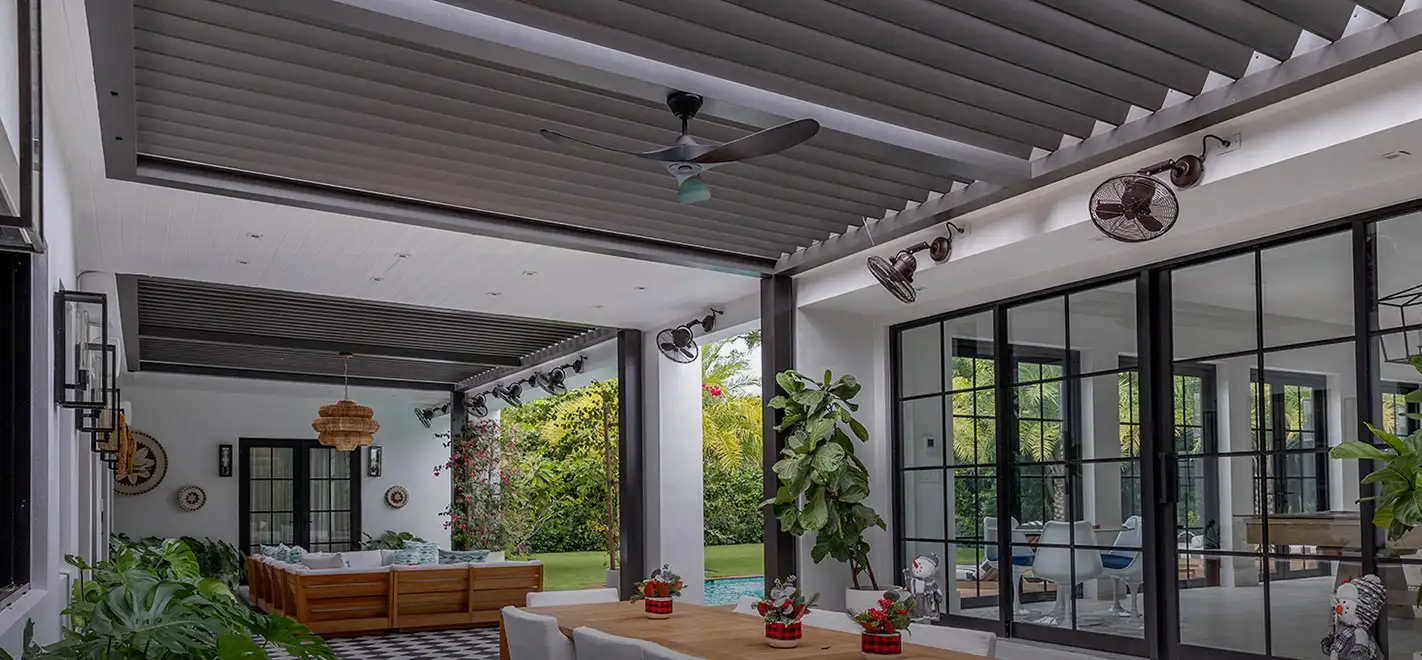
Pergolas are permanent outdoor structures typically made from wood, vinyl, or aluminum, featuring vertical posts and an open or partially covered roof made of beams or slats. Unlike retractable awnings, pergolas are fixed installations that become a structural part of the backyard. They are often used to define outdoor living areas such as dining spaces, lounges, or garden walkways. Pergolas can be left open for partial sunlight or enhanced with climbing plants, fabric drapes, or retractable canopy systems for added shade. Their architectural presence makes them both functional and decorative focal points in outdoor design.
Shade and Weather Protection
When it comes to shade, retractable awnings offer more direct and adjustable coverage. They can quickly block sunlight during peak heat and be retracted during cloudy or cooler conditions. However, they are generally better suited for mild weather and may need to be retracted during strong winds or heavy rain to prevent damage. Pergolas, on the other hand, provide partial and consistent shade depending on their design. While traditional pergolas do not fully block sunlight or rain, they can be enhanced with fabric covers, retractable canopies, or louvered roofs for improved weather protection. This makes pergolas more versatile in varying climates, depending on the upgrades chosen.
Aesthetic Appeal and Design Style
Retractable awnings tend to have a more subtle and modern appearance because they integrate directly with the home’s exterior and disappear when not in use. They are ideal for homeowners who prefer a clean, unobtrusive look. Pergolas, however, make a bold architectural statement. They add structure, depth, and visual interest to outdoor spaces, often becoming a central design feature in the backyard. Pergolas work especially well in traditional, Mediterranean, or landscape-focused designs where structure and aesthetics are equally important. Ultimately, the choice depends on whether you prefer minimal integration or a standout focal point.
Flexibility and Functionality
Retractable awnings excel in flexibility because they allow homeowners to control sun exposure instantly. This makes them perfect for patios used for multiple activities, such as dining, lounging, or entertaining. The ability to retract the awning also helps preserve natural light when shade is not needed. Pergolas offer less flexibility in their basic form, but they provide a stable framework that can be customized over time. Add-ons like curtains, lighting, fans, or motorized louvers can significantly increase their functionality. While awnings provide quick adaptability, pergolas offer long-term customization potential.
Durability and Maintenance
Pergolas generally have the advantage when it comes to durability because they are built as permanent structures using strong materials like wood, aluminum, or vinyl. With proper maintenance, they can last for decades and withstand various weather conditions. Retractable awnings, while durable, rely on mechanical parts and fabric components that may require occasional maintenance or replacement over time. The fabric can fade or wear due to sun exposure, and the mechanical system must remain in good condition for smooth operation. However, high-quality awnings are designed to last many years with proper care and seasonal adjustments.
Cost Considerations
In most cases, retractable awnings are more affordable upfront compared to pergolas. They require less labor and no major construction, making them a cost-effective option for homeowners looking to add shade quickly. Pergolas typically involve higher initial costs due to materials, design complexity, and installation. However, they can also add more long-term value to a property because of their structural presence and design impact. Homeowners should consider not only the initial investment but also long-term maintenance and potential property value increases when making their decision.
Installation and Space Requirements
Retractable awnings are generally easier and faster to install, often attaching directly to the exterior wall of a home. This makes them ideal for smaller spaces or existing patios that need an upgrade without major renovation. Pergolas require more planning and space since they are standalone structures that must be properly anchored. They are better suited for larger backyards where there is room to create a defined outdoor area. The installation process for pergolas is more involved but results in a permanent and highly customizable outdoor feature.
Which Option Is Right for Your Backyard?
Choosing between a retractable awning and a pergola ultimately depends on how you want to use your outdoor space. If you prioritize flexibility, affordability, and minimal design impact, a retractable awning may be the best choice. It offers instant shade and convenience without altering the structure of your backyard. If you prefer a more permanent, visually striking feature that enhances your landscape and can be customized over time, a pergola may be the better investment. Both options improve comfort and usability, but they cater to different lifestyles and design preferences.
Retractable awnings and pergolas both offer valuable benefits for enhancing backyard living spaces, but they serve different purposes. Awnings provide flexible, cost-effective shade that adapts to daily needs, while pergolas offer long-term structure, style, and customization potential. By considering factors such as budget, maintenance, aesthetics, and how you plan to use your outdoor space, you can choose the option that best complements your home and lifestyle. Either way, both solutions can transform a simple backyard into a comfortable and inviting outdoor retreat.
Similar articles
retractable awnings, retractable awning contractor, retractable awning installation
How Retractable Awnings Offer Flexibility for Your Outdoor Space
awnings, pergolas, Screens, Bahama shutters
The Complete Guide to Outdoor Shade and Living Solutions for South Jersey Homeowners
South Jersey, Cape May County, Atlantic County, retractable awnings
What Are the Best Retractable Awnings for South Jersey Homes?